Since the economy seems to be on everyone's mind these days, I wanted to shift gears for a couple of posts and briefly discuss some of the economic impacts of ADHD. In this post, we will begin by reviewing some articles on the approximate cost that untreated ADHD bears on society. In the next one, we will review a paper on what (in general) are the most cost-effective treatment options for ADHD.
Direct and indirect costs associated with ADHD. There was an excellent review done by Bernfort and colleagues on ADHD from a socio-economic perspective, which investigated the effects of costs such as increased educational expenses, costs of addressing drug and substance abuse (which is higher in ADHD individuals than the general population), increased traffic accidents, employment costs (such as loss of productivity), health care costs (which cover both prescription drugs as well as therapy, as well as increased medical costs from high-risk behavior, which is also more common in individuals with ADHD), as well as a few others. The importance of this study was to shed light on some of the far-reaching implications of the ADHD and the surmounting costs associated with them.
Another review article by Pelham and coworkers attempted to put a price tag on these different factors and behaviors. The review, which investigates costs associated with pediatric and adolescent ADHD, and factors in issues such as education (and special educational needs), loss of work to parents of ADHD children, impacts on the juvenile justice system as well as health-care costs, placed the overall cost per individual with ADHD to be almost $15,000 annually! While I personally view this number as being a bit high, I believe that the sheer magnitude of this number is extremely telling, and an important indicator for the need for proper treatment for children and young adults with the disorder.
We have spent a number of pages investigating the high heritability of the disorder by investigating the genetic components of ADHD. Given this fact, family studies and the economic impact of the disorder of ADHD on families should be especially relevant. From a study (note that this was done by Eli Lilly, so please consider the source) on medical claims found a 2 to 3-fold higher cost of claims and payouts to family members of ADHD. These number suggest the significant burdens that can be placed on both family members and their health care providers surrounding their relationship with ADHD individuals. Keep in mind that the genetic component of ADHD is often believed to be somewhere around 75% (and some studies place it as high as 90%), so the likelihood of multiple cases of ADHD in a single family is also high. Not surprisingly, the financial burden is another facet of the disorder which can act as another source of stress on parents and other family members of ADHD children, especially during more difficult economic times.
Finally, claims data from individuals with ADHD and their family members was obtained from a single large company in the US, and an attempt was made to extrapolate the data to the American population as a whole (which is a big if, but may be at least indicative of the whole population, if the makeup of this company is even close to being representative of the US population as a whole). Taking into account factors such as health care and work loss costs involved with the individuals with ADHD and their families, this study estimated a total excess (meaning above the average non-ADHD person) cost to be over 30 billion dollars a year. Breaking this down amongst the individuals with the disorder (which, using a relatively conservative estimate of 5% of the US population, which would put around 15 million individuals as having the disorder), this would amount to around $2,000 per person. This falls somewhere in between the numbers tossed around by some of the other studies.
Again, keep in mind that this data is extrapolated from a small portion of the American population, which, statistically, is often a dangerous thing to do. However, just the sheer magnitude of these numbers, especially when we begin to see some degree of numerical overlap between economic estimates from different studies on the costs associated with treating or dealing with the disorder of ADHD should be eye-opening, even if there is still a fair amount of ambiguity involved among some of these figures. Since most of these studies place the direct and indirect economic impacts of the disorder to be in the thousands (and in some cases 10 thousands) per person, we can see the importance of treating the disorder and its potential economic impacts on society as a whole. In the next post, we will investigate the cost-effectiveness of different measures in treating ADHD (along with some of the common comorbid or co-existing disorders).
Monday, February 9, 2009
Thursday, February 5, 2009
Food Allergies Change Brain Electrical Activity and Results in ADHD Symptoms
The connection between food allergies and ADHD has been a hot topic of debate in recent years. A number of studies have shown that adverse reactions to specific foods or combinations of foods and food additives can exacerbate several of the trademark characteristics of ADHD, including hyperactive behavior and reduced attentional ability. The aim of this post is share how adverse reactions to foods can actually impact brain wave frequencies in specific regions of the brain, which in turn leads to an increase in ADHD symptoms.

 The approximate locations of the 16 different brain regions probed for beta-1 brainwave frequency changes in the Uhlig study are given above (as one would see from a top-down view of the head). The larger blue squares indicate brain regions of greatest change in beta-1 activity between the two EEG scans (one after prolonged consumption and the other after prolonged avoidance of allergy-provoking foods). The smaller blue squares indicate regions of smaller (but still statistically significant) changes between the two EEG measurements. The white squares indicate brain regions that saw minimal change in beta-1 activity.
We should also note that the brain regions most affected by food sensitivities also happen to be the same areas most connected to ADHD, as we have seen in previous posts, such as the one on differences in brain region blood flow patterns in ADHD.
There are two key points we should take away from this article:
Before we go any further in this discussion, we must briefly review how ADHD is clinically diagnosed. Simply exhibiting hyperactive, inattentive or impulsive behavior does not necessarily qualify one as ADHD. One of the most common diagnostic tools for identifying the disorder in children is the Conner's Rating Scale (Please note that this link is to a commercial website which provides different versions of the test. It contains some good information about the nature of the different forms of the rating system, which is why I provided the link. This blogger declares no financial ties or commercial interests to this organization). There are multiple versions of this diagnostic test, but they all focus on scoring an individual on a numerical scale in a number of different areas such as inattention, hyperactivity, conduct issues, etc. Using this test as a diagnostic criteria, specific numerical cutoff scores (higher numerical scores indicate more ADHD symptoms) are used to help determine whether a child qualifies as being ADHD. In addition, there must be a persistence of these symptoms for at least 6 months in order for an accurate clinical diagnosis to occur. Of course, some subjectivity is involved in this process, since the rating scale is typically done by teachers, parents or other caregivers who may have internal biases as to whether they think the child has ADHD, but the overall accuracy and success of the test has been relatively well-documented. Keep in mind that there are other factors which trained professionals also use in making a diagnosis, but the Conner's rating scale scores often play a critical role in the process.
Returning to our topic of discussion, there has been relatively little research done on the actual mechanisms of the effect of food allergies on ADHD symptoms. However, there was a 1997 study done by Uhlig and coworkers which is of potential interest. This group studied the effects of food allergies on changes in brainwave frequencies throughout sixteen different regions of the brain. Note that we have discussed the topic of brainwave pattern differences in individuals with ADHD in an earlier post titled Genes and ADHD Brainwave Patterns. A summary of the components key findings of the study are listed below:
- Twelve children with known food allergies (not severe enough to pose a danger) had their brain wave patterns measured via EEG (electroencephalography) in sixteen different brain regions after both a 5 day period of consuming the allergy-provoking foods and a two-week period of avoiding these foods, and the results were compared between the two measurements.
- 10 of the 12 children had previously been tested and shown to have Conner's rating scale scores that were below the threshold for ADHD when the provoking foods were avoided and above the threshold when the foods were included in the diet. In other words, with all other things being equal, consumption allergy-provoking foods caused enough of a change in symptoms to push all twelve of the individuals over the threshold and into ADHD territory. A quick summary of the huge difference in most of the scores can be seen in the table below (note that the "cutoff" score for ADHD is 15 or above for the scale being used, these numbers are highlighted in black):
 Note that significant changes in the Conner's rating scale were seen in all 12 children, and 10 of the 12 children's scores crossed the ADHD threshold score of 15 with regular consumption of provoking foods, including one who made a huge jump from 6 all the way up to 25. This shows how intolerance to specific foods can have a huge impact on Conner's rating scale scores and can easily push a child over the limit and can lead to an ADHD diagnosis. If these foods (with which the individual is often unaware of being provoking and a cause of an increase in ADHD symptoms) are consumed on a consistent basis, it is easy to see how 6 continuous months of symptoms can occur and lead to an ADHD diagnosis. While this is based on a small sample, and was not the main purpose of the study, these findings really do raise questions as to how many cases of ADHD arise simply from food-related intolerances, and can be changed by removal of the provoking foodstuffs from the diet (we will be investigating more on this topic in later blog posts).
- The most common foods provoking ADHD symptoms in the study were beet sugar, food colorings, wheat and milk.
- Frequencies corresponding to eight different brain wave states were obtained in 16 different regions of the brain. A summary of the numerical frequencies of these eight different states (in Hertz, or cycles per second) and their corresponding brain wave types and approximate brain activity levels are listed below:
- Out of all of the frequencies listed above, the beta-1 brainwave frequency was believed to be impacted the most by food allergies. Interestingly, it appears that the beta-1 brainwave frequency changes appeared to be concentrated the most in the right frontal and temporal regions of the brain (keep in mind that the different parts of the brain do not operate at uniform frequencies, for example, some regions may be in a predominantly beta-1 state while others are operating at a theta state). This area is also one of the brain regions most associated with ADHD, as we have seen in earlier posts. An outline of the areas with the greatest change in beta-1 activity is given in the diagram below:
 The approximate locations of the 16 different brain regions probed for beta-1 brainwave frequency changes in the Uhlig study are given above (as one would see from a top-down view of the head). The larger blue squares indicate brain regions of greatest change in beta-1 activity between the two EEG scans (one after prolonged consumption and the other after prolonged avoidance of allergy-provoking foods). The smaller blue squares indicate regions of smaller (but still statistically significant) changes between the two EEG measurements. The white squares indicate brain regions that saw minimal change in beta-1 activity.
We should also note that the brain regions most affected by food sensitivities also happen to be the same areas most connected to ADHD, as we have seen in previous posts, such as the one on differences in brain region blood flow patterns in ADHD.
- While the Uhlig study showed significant changes in beta-1 activity due to food-sensitivity effects, alpha activity changes were minimal. Other studies have indicated that diseases with reduced blood flow to the brain (which can include ADHD) are more associated with changes in delta and theta brainwave activities. As mentioned in the brainwave chart in this post, theta activity, which is essentially a daydreaming state, is (not surprisingly) seen more consistently in individuals with ADHD than in the general population. On another interesting note, adults with anxiety-type depression have also been shown to exhibit an increase in beta-1 activity in similar brain regions.
There are two key points we should take away from this article:
- Consumption of foods of which one may have an allergy or sensitivity to can have a huge effect on ADHD symptoms, as we saw from the Conner's rating scale score differences in this post. The fact that most children fell below the threshold score for ADHD when they avoided the provoking foods, but above it when they consistently consumed them should raise an alarm. While the ADHD/food allergy connection has been around for years, the sheer magnitude of the difference in scores (albeit from a smaller sample, which often will produce greater fluctuations in score differences because extreme individual cases stand out more). Of course not all ADHD cases are due to food allergies, but this study should lend credence to the potential effectiveness of eliminating specific foodstuffs (remember that beet sugar was the most common food sensitivity in the study) in treating at least some of the cases. Furthermore, monitoring for changes in beta-1 brainwaves, especially in the brain areas mentioned above via EEG may be an extremely effective tool of the future for diagnosing (and eventually treating) food-related ADHD symptoms.
- The pronounced changes in beta-1 activities highlight the surprisingly strong connection between the digestive system and the nervous system, as changes in conditions in the gut can result in extensive changes in neurological symptoms. We will discuss this connection in greater detail, as well as its implications on ADHD at a later time.
Friday, January 30, 2009
Food Additive Combinations and ADHD
The concept of food additives, which include artificial colors and flavorings used in food processing, and their influence on ADD and ADHD is nothing new. Starting in the mid-1970's by Feingold as well as others, the idea that artificial food ingredients may have some type of pharmacological impact on neurodevelopmental disorders became a hot topic of discussion.
Today, the debate rages on as to how much of an effect these chemical ingredients really have on our systems. I am not going to lend my full support to either side of this discussion any time soon, because the evidence is strong for both arguments. Instead, I wanted to look at a less-discussed but equally important topic on the effects of food additives and ADHD, namely the synergistic effects of these compounds.
In terms of our discussion today, a synergistic effect is where two or more compounds or chemicals, when used in combination together, result in a greater impact than the sum of their individual effects (the concept of the "whole" being greater than the "sum of the parts"). For example, if a specific concentration of food chemical "A" reduces nerve cell growth by 10% and a specific concentration of food chemical "B" reduces growth by 15%, then, theoretically, a combination of these two concentrations together should decrease cell growth by about 25%. However, if the two chemicals combined (and all other factors being carefully controlled) reduce growth by, say 50%, then the cause is likely a synergistic effect or interaction between chemicals "A" and "B".
The investigation into synergistic effects of food additives stems from an article done by Lau and coworkers on how four food additives, well-known for their potential neurotoxic effects as individual agents, can potentially be even more devastating when used in combination.
The four food additives in question were as follows:
Today, the debate rages on as to how much of an effect these chemical ingredients really have on our systems. I am not going to lend my full support to either side of this discussion any time soon, because the evidence is strong for both arguments. Instead, I wanted to look at a less-discussed but equally important topic on the effects of food additives and ADHD, namely the synergistic effects of these compounds.
In terms of our discussion today, a synergistic effect is where two or more compounds or chemicals, when used in combination together, result in a greater impact than the sum of their individual effects (the concept of the "whole" being greater than the "sum of the parts"). For example, if a specific concentration of food chemical "A" reduces nerve cell growth by 10% and a specific concentration of food chemical "B" reduces growth by 15%, then, theoretically, a combination of these two concentrations together should decrease cell growth by about 25%. However, if the two chemicals combined (and all other factors being carefully controlled) reduce growth by, say 50%, then the cause is likely a synergistic effect or interaction between chemicals "A" and "B".
The investigation into synergistic effects of food additives stems from an article done by Lau and coworkers on how four food additives, well-known for their potential neurotoxic effects as individual agents, can potentially be even more devastating when used in combination.
The four food additives in question were as follows:
- Brilliant Blue, also referred to as "Blue1" and "E133" (in Europe)
- Quinoline Yellow, also referred to as Yellow 13 or E104
- Aspartame (Nutrasweet, Equal): and artificial sweetener often used in diet soft drinks
- MSG: short for Monosodium Glutamate or a salt form of L-glutamic acid, often used in Chinese foods and, (to a lesser extent now), potato chips and french fries
The study found that two pairings of the above compounds had notably significant synergistic effects. Brilliant Blue, when combined with MSG, showed a strong decrease in a process called neurite outgrowth. Neurite outgrowth, essentially, is the process where neurons begin to develop and differentiate, and eventually results in the interaction of neurons with either other neurons or cells of different systems such as muscle cells. In addition to the Brilliant Blue and MSG combination, the combination of Quinoline Yellow and Aspartame also showed a strong additive effect on inhibiting neurite outgrowth.
The process of neurite outgrowth is a major indicator of overall cell health with regards to the nervous system. Additionally, this process is especially critical during the neurodevelopmental stages, which starts during embryonic development, and can continue on until an individual is in his or her 20's. However, the period of greatest development (and greatest potential sensitivity to chemical agents), is between the sixth month of gestation to the first few years after birth. As a result, (in my humble opinion) anything that inhibits this process, should be taken seriously, especially during the early developmental stages in life.
It is also worth mentioning that the levels of these different chemical agents done in the study by Lau were below concentrations which typically cause neurotoxic problems on their own. In other words, these two combinations (Quinoline Yellow/Aspartame, as well as MSG/Brilliant Blue) showed extremely pronounced effects with regards to inhibiting key neurodevelopmental processes. Between these two combinations, the combined effects of Quinoline Yellow and Aspartame were more pronounced than the MSG/Brilliant Blue.
As far as the status of these four agents is concerned, three of the four (MSG, Brilliant Blue and Aspartame) are currently available in the United States, with Quinoline Yellow being banned. In the United Kingdom, where the study was done, all four of the compounds were still used in food processing. Brilliant Blue, while used in the US and UK, has been banned in most of Europe.
It is believed that the two flavor enhancers, aspartame and MSG both work via a type of biological receptor proteins called NMDA receptors. Without going into too much detail here (we will save the NMDA receptor topic for future posts), NMDA receptors play a huge role in the regulation of ion channels, which are critically important in a number of processes in a number of systems, including the nervous system. One of the key "target molecules" for these NMDA receptors is glutamate, which, as we've seen above is the major component of MSG. Additionally, part of the molecule of Aspartame is comprised of a form of aspartate, which is a form of a common natural dietary amino acid and is chemically similar to glutamate.
The reason that the above information is relevant to our topic of discussion is that glutamate and NMDA are both key biological agents involved in neuro-signaling processes which are significant factors with regards to ADHD and other disorders. In other words, chemical agents which interfere with this NMDA/glutamate "channel", often can, at least in theory, have an effect on the onset and symptomology of ADHD. We will go into much more detail on this process in later blog entries.
In addition to these concerns, we must also be aware of the fact that the NMDA receptor is a target of a number of different drugs and pharmacological agents. As a result, there is also the potential for synergistic effects between food additives and NMDA receptor drugs. In addition to current concerns of negative drug-drug (and now food additive-food additive) interactions, we must also be careful with regards to potential drug-food additive interactions. These interactions are easy to overlook, and, given the abundance of artificial food additives, are almost impossible to avoid completely.
Even if these four agents listed above all become banned at some point, I personally believe that this study should raise an alarm and open the way to a number of future studies on the effects of specific combinations of food additives. As highlighted in the article, one of the main problems with "elimination" diets for food allergies or toxicities, is that they often examine the food compounds in isolation, as opposed to combination. This study hopefully sheds some light on the fact that, perhaps, instead of just looking at individual food additives and their negative effects on ADHD and other neurodevelopmental disorders, we should be paying an equal amount of attention to investigating the negative effects of different combinations of these ingredients, especially the most common food-additive combinations that are currently available.
Monday, January 26, 2009
ADHD vs. OCD: Brain regions and bloodflow patterns
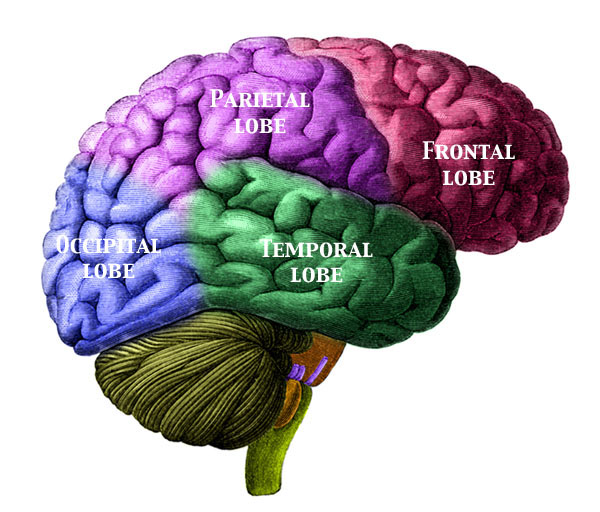
ADHD and OCD (obsessive compulsive disorder) are two disorders that often fall at the opposite end of the neurochemical spectrum. However, the two disorders, which are sometimes comorbid (occur alongside one another), actually share a fair degree of similarity with regards to underlying causes. It is believed that both disorders are the result of chemical imbalances in similar brain regions. One of these brain regions is the prefrontal cortex (orange region in figure below, please click here for original image source):

In the brain diagram above (side view, the left is the front of the head), the area highlighted in orange constitutes what is referred to as the prefrontal cortex region. We have previously alluded to the connection between the prefrontal cortex region and ADHD. It is believed that levels of the free signaling neurotransmitter dopamine are significantly lower in this region of the brain in ADHD individuals.

A quick word of caution: I am not going to go over the statistical methods used in the study in detail. However, given the relatively small sample size and numerical "cutoffs" for a difference to be statistically significant (as opposed to getting a difference just because of random chance due to natural variations with regards to sample sizes), the only region which met the criteria of being statistically significant in this study was the right prefrontal cortex. Nevertheless, there were some differences in blood flow patterns for some other brain regions, which, while not statistically "significant", were still somewhat noteworthy. The left prefrontal cortex should be noted in particular. Keep in mind that for this region it appears that activity is higher in ADHD than OCD, while the opposite is true for the right prefrontal cortex. I thought this difference was worth at least a mention in this post.
A few things worth noting from these differences in brain function between OCD and ADHD individuals:

In the brain diagram above (side view, the left is the front of the head), the area highlighted in orange constitutes what is referred to as the prefrontal cortex region. We have previously alluded to the connection between the prefrontal cortex region and ADHD. It is believed that levels of the free signaling neurotransmitter dopamine are significantly lower in this region of the brain in ADHD individuals.
In addition, evidence strongly suggests a reduction in blood flow in the prefrontal cortex for ADHD individuals. This region can be likened to a "braking" region in the brain, in which inhibitory judgment and control of behaviors is thought to occur. Therefore, under activity in this critical brain region, either via deficiency in blood flow or chemical signaling agents and processes is thought to reduce the ability of the individual to inhibit unwanted responses and behaviors. As a result, impulsive behavior, which is a hallmark characteristic of ADHD is more likely to occur if this brain region is underactive.
On the other hand, this brain region has also been implicated as a critical brain region in cases of Obsessive Compulsive Disorder (OCD). However, unlike ADHD, where the prefrontal cortex region of the brain is believed to be underactive, in cases of OCD, the prefrontal cortex activity is thought to be overactive.
An increasingly popular method of determining brain activity is performed by using a process called SPECT. SPECT, which is short for Single Photon Emission Computed Tomography, utilizes a radioactive tracer of a compound which involves a radioactive isotope of the element Technetium. This chemical complex of Technetium can be used as a tracer to measure blood flow patterns to the brain, which is a method of detecting overall brain activity. In general, the higher the level of this "marked" blood, the more active a particular brain region is thought to be. This can be especially useful in determining which brain regions are used for specific tasks, such as problem solving or exercises involving heavy concentration. It is often the change in blood flow patterns between "resting" or "relaxed" states vs. cognitive tasks which can often give a clear picture of information as to how "hard" a specific brain region is working to complete the specific task.
While the above process is relatively safe and non-invasive, the idea of doing brain scans involving radioactive tracers and gamma radiation detection methods have significantly limited the use of this method of brain imaging in children and adolescents. However, since both ADHD and OCD often present themselves as disorders originating in early childhood or adolescence, relatively few studies have been done on SPECT-derived brain images in these individuals.
Returning to the ADHD vs. OCD topic of discussion, a relatively recent study was performed using children and adolescents with one of these two disorders, making it one of the few reported studies of its kind involving this particular age group of the population. Although relatively small in the number of test subjects, the study did confirm earlier presumptions regarding blood flow and brain activity of these two disorders, such as in a recent SPECT study on adults with ADHD.
The study found that there was a significantly lower level of blood flow (and therefore brain activity) in specific brain regions for the ADHD children vs. those seen in the OCD children. A strong attempt was made to compare images of ADHD vs. OCD children of the same age and gender in order to reduce the impact of developmental differences.
Below is rough sketch of some of the brain regions compared between the ADHD and OCD children from the study (for original image source, please click here). In this diagram, we are looking at the brain from the right side of an individual facing to the right. The term "cortex", used throughout this post, refers to the outer layers of a particular region. The term "prefrontal" cortex, as seen in the previous diagram, typically refers more toward the outer layer of the brain, right behind the forehead region:

Using the above diagram as a reference, here are some of the findings by Oner and coworkers regarding the differences in cerebral blood flow between ADHD and OCD children:
A quick word of caution: I am not going to go over the statistical methods used in the study in detail. However, given the relatively small sample size and numerical "cutoffs" for a difference to be statistically significant (as opposed to getting a difference just because of random chance due to natural variations with regards to sample sizes), the only region which met the criteria of being statistically significant in this study was the right prefrontal cortex. Nevertheless, there were some differences in blood flow patterns for some other brain regions, which, while not statistically "significant", were still somewhat noteworthy. The left prefrontal cortex should be noted in particular. Keep in mind that for this region it appears that activity is higher in ADHD than OCD, while the opposite is true for the right prefrontal cortex. I thought this difference was worth at least a mention in this post.
A few things worth noting from these differences in brain function between OCD and ADHD individuals:
- Both ADHD and OCD are believed to be disorders associated with the glutamatergic system. While we will not go into too much detail here, glutamatergic activity involves glutamate, which is a form of one of the common amino acids and is a major neurotransmitting (a signaling process between cells in the nervous system) agent. ADHD is believed to be a hypoglutamatergic disorder (lower than normal activity of the glutamatergic system) while OCD is believed to be hyperglutamatergic (higher than normal activity of the glutamatergic system). In other words, ADHD and OCD are two disorders which are both believed to be imbalances of the same signaling or neurotransmitting system, but on opposite sides of the spectrum.
- Gender may play a role in the magnitude of difference between metabolic activities in the brains of ADHD individuals. A study by Zametkin and coworkers found a more pronounced difference in brain metabolism in girls with ADHD. A similar finding was seen in a study by Ernst on reduced brain metabolism in hyperactive girls.
- ADHD, OCD and Tourette's Syndrome may all share a common pathway involving a group of brain regions called the CSTC (which is short for cortico-striato-thalamo-cortical pathway). While I will not go into any more detail here, and save this for future discussion, this potential connection is worth mentioning because these three disorders often have a relatively high degree of overlap. We have already investigated some of the overlap between ADHD and Tourette's in previous posts.
- Additionally, ADHD, OCD, autism and schizophrenia have all been connected to the frontostriatal region of the brain. The frontostriatal brain system is comprised of multiple brain regions, one of them being part of the prefrontal cortex.
***Please note: I do not want to open the door of erroneously linking multiple unrelated disorders together. I believe that it is one of the negative tendencies of researchers to attempt to link multiple disorders together based on insufficient evidence in an attempt to find some sort of unified underlying cause to everything. While I admit that I myself am susceptible to this natural bias as well, I try to avoid making these types of false conclusions as much as possible. Nevertheless, the last point was meant more to illustrate that a number of disorders which have been frequently listed as comorbid to ADHD do tend to exhibit differences in overlapping brain regions, especially the prefrontal cortex. In my opinion, the prefrontal cortex is, therefore, potentially the most critical brain region to study when investigating ADHD comorbid disorders.
While the prefrontal cortex region is a crucially important brain region with regards to ADHD and related disorders, it is by no means the only one involved in these processes. We will investigate some of these other key brain regions in posts in the near future.
Thursday, January 22, 2009
ADHD, Alcoholism and Nutrient Deficiencies
This will probably be the last blog post on the ADHD and alcoholism connection. We have investigated the connection between ADHD and alcoholism with regards to:
Magnesium: (Here are recommended daily magnesium intake levels)
We have posted on this nutrient extensively in the past. For example, there is relatively strong evidence of a connection between magnesium deficiency and childhood ADHD. Additionally, there are a number of disorders which occur alongside of ADHD, which are called comorbid disorders. Magnesium levels are thought to influence some of these ADHD comorbid disorders as well. Co-treatment with vitamin B6 has been shown to boost magnesium's effects for ADHD treatment as well. Finally, I have outlined some other nutrient treatment combinations thought to boost the effectiveness of magnesium for ADHD.
Magnesium deficiencies are also common in chronic alcoholics. There are several potential reasons for this including decreased absorption and increased urinary loss of magnesium, dietary deficiencies as alcohol calorically replaces magnesium-rich foods, and decreased retention due to liver dysfunction. Unfortunately, the actual process of quitting alcohol use can also result in magnesium shortages. This is due to the alcohol withdrawal process in which results in fatty acid composition changes and the buildup of compounds in a process called ketoacidosis. These compositional changes during the alcohol withdrawal process can result in products which bind to magnesium and reduce its serum levels. A review by Krishnel and coworkers on the efficacy of intravenous vitamins for alcoholics in the emergency department touted the benefits of oral magnesium supplementation for admitted alcoholic patients.
Thiamine (also spelled "thiamin"): (Here are recommended daily thiamin intake levels).
There are several studies pointing towards a connection between chronic alcohol abuse and thiamine deficiency, although the scope of these effects is still under debate. Thiamine deficiency has been implicated for a disorder called Wernicke's encephalopathy. Wernicke's encephalopathy does have some overlap in symptoms with ADHD, such as impaired short-term memory, but beyond this, there is little connection between the two disorders. One thing to note about thiamine is that while there is minimal research done on the possible connection between its deficiency and ADHD, thiamine does play a major role in the process of glucose metabolism. Individuals with ADHD have often shown sub-average blood glucose levels to several key brain regions. Some studies have even implicated a potential risk of thiamine depletion caused by rapid glucose administration (such as through IV treatment).
Vitamin B-6: (Here are recommended daily vitamin B-6 intake levels)
Vitamin B-6 has had numerous implications for both the causes and treatment of ADHD. B6 has been shown to assist and boost the effects of magnesium in treating ADHD. Vitamin B6 has an "active form", which is often referred to as pyridoxal phosphate (PLP).
Chronic alcoholism can lead to a condition known as hyperhomocysteinemia. This disorder is the result of excessive buildup of the compound homocysteine. Homocysteine has been implicated as a major factor in a number of cardiovascular and inflammatory diseases and is a leading culprit of stroke and arterial damage. In addition to these disorders, high homocysteine levels are thought to play an indirect role in the onset of ADHD.
Vitamin B-6, vitamin B-12 and folic acid all play a role in regulating homocysteine levels. In fact, there is thought to be a minimal level for each of vitamin B6, B12 and folate to combat excessive homocysteine levels. Below is a rough sketch of how homocysteine is converted to the more benign and extremely important bodily antioxidant glutathione. This is important, because ADHD individuals have often been shown to have lower than normal levels of this ubiquitous antioxidant (as well as antioxidant levels in general). Upping the conversion of homocysteine to glutathione through B vitamin-dependent pathways therefore presents two different therapeutic measures for the ADHD sufferer.
At this point, there is no need to familiarize yourself with the intermediate steps in the process, just note that the "active" form of vitamin B-6, Pyridoxal phosphate or PLP is needed in not one, but two different steps of this conversion process. Low levels of this key nutrient can lead to a backup of homocysteine as this process is severely hampered.

Vitamin B-12: (Here are recommended daily vitamin B-12 intake levels)
Aside from the homocysteine/B-12 connection, it also appears that folate plays other critical roles which can indirectly affect the severity of negative symptoms associated with ADHD. Additionally, folic acid has been found to have a protective effect against formic acid, a neurotoxin. This relationship actually stems from the neurotoxic effects of methanol, which is often found in alcoholic beverages either as a congener (essentially a side product in alcoholic beverages, which actually play a factor in the hangover process), or through endogenous formation (within the body). One of the problems with methanol is that it shares the same enzyme system as ethanol (the main form of alcohol in beverages), but is slower to clear due to a less-efficient metabolic process and can build up to toxic levels in heavy drinkers. However, adequate folate levels in the liver can expedite the methanol metabolism and clearance and reduce levels of the neurotoxin formic acid. In addition to the liver, there is some evidence that folate-derived formic acid metabolism occurs in the mammalian brain as well. Folate is also thought to be connected to the key compound in regulating levels of SAMe (S-Adenosylmethionine). Folate deficiency can lead to reduced levels of SAMe. This is of importance, because in numerous studies S-Adenosylmethionine has been implicated as a potential treatment option for ADHD.
A quick word on homocysteine: We have spent a fair amount of time highlighting the connection between alcohol consumption and homocysteine levels. In fact, chronic alcoholics reported double the serum homocysteine levels as nondrinkers. Hyperhomocysteinemia has also been associated as a major culprit in the process of alcoholism-induced brain shrinkage.
However, it is worth noting that the source of the alcohol may play a critical role with regards to homocysteine levels. A study found that beer consumers had notably lower levels of homocysteine than did consumers of wine or other spirits. While this association was not thoroughly addressed, this is possibly due to the relatively high levels of B vitamins in certain forms of brewer's yeast (which is used in the beer-making process). This is right in line with our study on vitamins B-6 and B-12.
In addition to the nutrients listed above, there are thought to be other nutritional factors at play. For example, chronic alcoholics who are faced with alcohol withdrawal are at increased risk of omega-3 fatty acid oxidation. This oxidative damage can disrupt the omega-6/omega-3 fatty acid balance, which we addressed in an earlier post as being a critical factor in cell membrane integrity. Additionally, alcoholism has been linked to deficiencies in antioxidants such as vitamin C (remember that individuals with ADHD generally have lower total antioxidant levels than their non-ADHD peers). Alcoholic liver damage has also been linked to zinc deficiency. We have investigated the zinc connection to ADHD earlier, namely in the potential ability of zinc to boost the effectiveness of Ritalin, a common ADHD stimulant medication.
Finally, I have alluded a bit to the compound S-Adenosylmethionine (SAMe) in this post. It is an ADHD treatment method of great potential interest. We will be discussing the possible merits of SAMe in the near-future.
- Size and function of specific brain regions, such as the corpus callosum.
- The prevalence of ADHD in children of male alcoholics
- The theory behind omega-3 fatty acids, which are often deficient in ADHD and maintain cell structure and function
- How specific genes which encode for desaturase enzymes, can actually interact with alcohol and and omega-3 fatty acids and all combine to influence the likelihood of ADHD.
Magnesium: (Here are recommended daily magnesium intake levels)
We have posted on this nutrient extensively in the past. For example, there is relatively strong evidence of a connection between magnesium deficiency and childhood ADHD. Additionally, there are a number of disorders which occur alongside of ADHD, which are called comorbid disorders. Magnesium levels are thought to influence some of these ADHD comorbid disorders as well. Co-treatment with vitamin B6 has been shown to boost magnesium's effects for ADHD treatment as well. Finally, I have outlined some other nutrient treatment combinations thought to boost the effectiveness of magnesium for ADHD.
Magnesium deficiencies are also common in chronic alcoholics. There are several potential reasons for this including decreased absorption and increased urinary loss of magnesium, dietary deficiencies as alcohol calorically replaces magnesium-rich foods, and decreased retention due to liver dysfunction. Unfortunately, the actual process of quitting alcohol use can also result in magnesium shortages. This is due to the alcohol withdrawal process in which results in fatty acid composition changes and the buildup of compounds in a process called ketoacidosis. These compositional changes during the alcohol withdrawal process can result in products which bind to magnesium and reduce its serum levels. A review by Krishnel and coworkers on the efficacy of intravenous vitamins for alcoholics in the emergency department touted the benefits of oral magnesium supplementation for admitted alcoholic patients.
Thiamine (also spelled "thiamin"): (Here are recommended daily thiamin intake levels).
There are several studies pointing towards a connection between chronic alcohol abuse and thiamine deficiency, although the scope of these effects is still under debate. Thiamine deficiency has been implicated for a disorder called Wernicke's encephalopathy. Wernicke's encephalopathy does have some overlap in symptoms with ADHD, such as impaired short-term memory, but beyond this, there is little connection between the two disorders. One thing to note about thiamine is that while there is minimal research done on the possible connection between its deficiency and ADHD, thiamine does play a major role in the process of glucose metabolism. Individuals with ADHD have often shown sub-average blood glucose levels to several key brain regions. Some studies have even implicated a potential risk of thiamine depletion caused by rapid glucose administration (such as through IV treatment).
Vitamin B-6: (Here are recommended daily vitamin B-6 intake levels)
Vitamin B-6 has had numerous implications for both the causes and treatment of ADHD. B6 has been shown to assist and boost the effects of magnesium in treating ADHD. Vitamin B6 has an "active form", which is often referred to as pyridoxal phosphate (PLP).
Chronic alcoholism can lead to a condition known as hyperhomocysteinemia. This disorder is the result of excessive buildup of the compound homocysteine. Homocysteine has been implicated as a major factor in a number of cardiovascular and inflammatory diseases and is a leading culprit of stroke and arterial damage. In addition to these disorders, high homocysteine levels are thought to play an indirect role in the onset of ADHD.
Vitamin B-6, vitamin B-12 and folic acid all play a role in regulating homocysteine levels. In fact, there is thought to be a minimal level for each of vitamin B6, B12 and folate to combat excessive homocysteine levels. Below is a rough sketch of how homocysteine is converted to the more benign and extremely important bodily antioxidant glutathione. This is important, because ADHD individuals have often been shown to have lower than normal levels of this ubiquitous antioxidant (as well as antioxidant levels in general). Upping the conversion of homocysteine to glutathione through B vitamin-dependent pathways therefore presents two different therapeutic measures for the ADHD sufferer.
At this point, there is no need to familiarize yourself with the intermediate steps in the process, just note that the "active" form of vitamin B-6, Pyridoxal phosphate or PLP is needed in not one, but two different steps of this conversion process. Low levels of this key nutrient can lead to a backup of homocysteine as this process is severely hampered.
Vitamin B-12: (Here are recommended daily vitamin B-12 intake levels)
As mentioned above, vitamin B-12 also plays a critical role in maintaining homocysteine levels. It, along with folate (the "nutritionally active" form of folic acid), actually work together, along with a third compound called betaine) in converting potentially dangerously high levels of homocysteine back to the amino acid methionine. Keep in mind that deficiencies of vitamin B-12 can cause problems with regards to homocysteine buildup as an under balance of vitamin B12 with respect to folate can boost homocysteine levels. Keep this in mind when we proceed to the folic acid discussion, as isolated supplementation with folate can offset the desired B12/folate balance and be counterproductive. A brief diagram of this process can be seen below:
 A quick note: If you look at the diagram above, you can see that the process of removing homocysteine by converting it to methionine can actually continue on to another important compound, S-Adenosylmethionine (SAMe). There has been a lot of discussion surrounding SAMe as a possible supplement used to treat ADHD. We will save this discussion for a later time, but it is at least worth mentioning that there have been some very positive things said about this nutrient. Additionally, SAMe has been shown to help protect against liver damage (even to the point of reversing the process), which, as we know, is extremely common in alcoholics. Also note that betaine supplementation can also help offset alcohol-induced liver damage, so the betaine mentioned in the above process is multifunctional with regards to ADHD and alcoholism.
In addition, there may be a connection between vitamin B-12 deficiencies and food allergies (which are often associated with a rise in ADHD-like behaviors themselves). This is in part, due to the connection between B-12 deficiencies and pernicious anemia. This is characterized by a reduction of gastric acid secretion through damage to cells in the stomach called parietal cells. Food allergies, which have been associated with ADHD, can be exacerbated by weak stomach acid levels, as food allergens which are normally broken down by sufficient acid are now present at higher levels. We have seen the effects of damage to the stomach and other digestive organs in the case of our earlier post on celiac disease and its correlation with ADHD symptoms.
***Keep in mind that this B-12/food allergy and ADHD connection is more hypothetical at this point, relatively little published information is available to confirm this indirect connection. Nevertheless, I personally believe that this possible association is at least worth mentioning.
Folic Acid/Folate: (Here are recommended daily folate intake levels)
As alluded to above, we have seen the intricate connection between vitamin B-12 and folate (folic acid is the synthetic form of folate used in food fortification. Within the scope of this post, I am using the two terms interchangeably). With regards to cognitive function and relevant disorders such as ADHD, there is also an important relationship regarding the balance of these two nutrients. For example, a relatively recent study found that for vitamin B-12 deficient individuals, folate is actually connected to folate and reduced cognitive function. However, when ample B-12 levels were available, higher folate levels were protective against cognitive impairment. Thus we see that folate can potentially be a double-edged sword in the war against high homocysteine levels and reduced cognitive function, and that folate's effectiveness is grossly dependent on an adequate vitamin B-12 balance.Aside from the homocysteine/B-12 connection, it also appears that folate plays other critical roles which can indirectly affect the severity of negative symptoms associated with ADHD. Additionally, folic acid has been found to have a protective effect against formic acid, a neurotoxin. This relationship actually stems from the neurotoxic effects of methanol, which is often found in alcoholic beverages either as a congener (essentially a side product in alcoholic beverages, which actually play a factor in the hangover process), or through endogenous formation (within the body). One of the problems with methanol is that it shares the same enzyme system as ethanol (the main form of alcohol in beverages), but is slower to clear due to a less-efficient metabolic process and can build up to toxic levels in heavy drinkers. However, adequate folate levels in the liver can expedite the methanol metabolism and clearance and reduce levels of the neurotoxin formic acid. In addition to the liver, there is some evidence that folate-derived formic acid metabolism occurs in the mammalian brain as well. Folate is also thought to be connected to the key compound in regulating levels of SAMe (S-Adenosylmethionine). Folate deficiency can lead to reduced levels of SAMe. This is of importance, because in numerous studies S-Adenosylmethionine has been implicated as a potential treatment option for ADHD.
A quick word on homocysteine: We have spent a fair amount of time highlighting the connection between alcohol consumption and homocysteine levels. In fact, chronic alcoholics reported double the serum homocysteine levels as nondrinkers. Hyperhomocysteinemia has also been associated as a major culprit in the process of alcoholism-induced brain shrinkage.
However, it is worth noting that the source of the alcohol may play a critical role with regards to homocysteine levels. A study found that beer consumers had notably lower levels of homocysteine than did consumers of wine or other spirits. While this association was not thoroughly addressed, this is possibly due to the relatively high levels of B vitamins in certain forms of brewer's yeast (which is used in the beer-making process). This is right in line with our study on vitamins B-6 and B-12.
In addition to the nutrients listed above, there are thought to be other nutritional factors at play. For example, chronic alcoholics who are faced with alcohol withdrawal are at increased risk of omega-3 fatty acid oxidation. This oxidative damage can disrupt the omega-6/omega-3 fatty acid balance, which we addressed in an earlier post as being a critical factor in cell membrane integrity. Additionally, alcoholism has been linked to deficiencies in antioxidants such as vitamin C (remember that individuals with ADHD generally have lower total antioxidant levels than their non-ADHD peers). Alcoholic liver damage has also been linked to zinc deficiency. We have investigated the zinc connection to ADHD earlier, namely in the potential ability of zinc to boost the effectiveness of Ritalin, a common ADHD stimulant medication.
Finally, I have alluded a bit to the compound S-Adenosylmethionine (SAMe) in this post. It is an ADHD treatment method of great potential interest. We will be discussing the possible merits of SAMe in the near-future.
Subscribe to:
Comments (Atom)